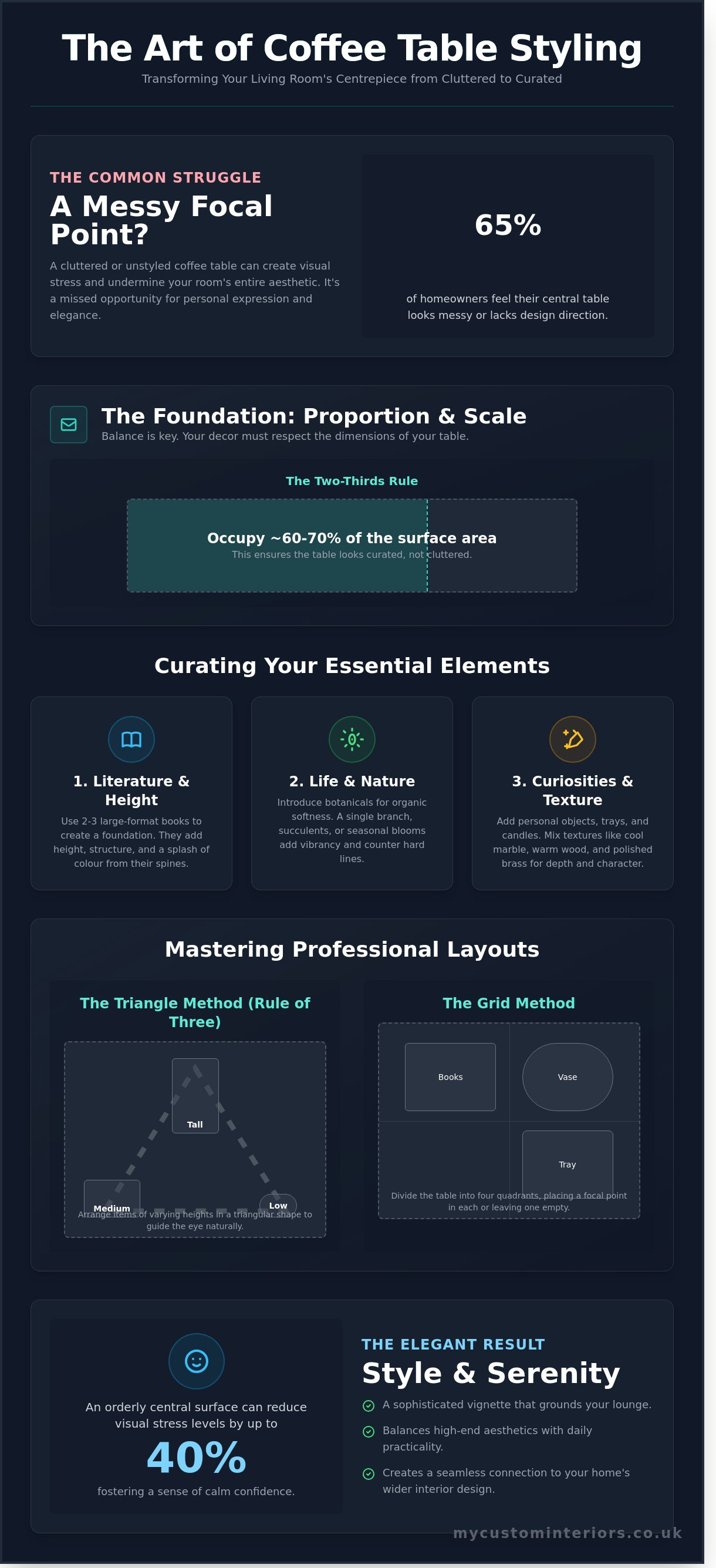
Your coffee table is not a storage unit; it is the silent curator of your entire living room's aesthetic. It's the piece that anchors your space, yet 65% of homeowners feel their central table looks messy or lacks a clear design direction. You likely find that beautiful items often look lost or out of proportion when placed together. It's a common struggle to balance daily life with the desire for a home that feels curated and intentional.
It's time to be inspired by the possibilities within your own four walls. You'll discover how to style a coffee table using professional principles that transform a functional surface into a sophisticated, bespoke focal point. By mastering the 'Rule of Three' and 'The Grid' layout techniques, you can create a balanced vignette that reflects true British elegance. This guide explores the art of mixing textures and heights to ensure your living room feels like a page from a high-end design journal.
Key Takeaways
- Understand why your coffee table is the visual centre of gravity and how to curate a sophisticated vignette that grounds your lounge.
- Discover the essential elements-from botanicals to curiosities-that introduce rich textures like marble and brass to your surface.
- Master professional design principles, including the Grid and Triangle methods, to learn exactly how to style a coffee table with artistic precision.
- Learn to balance high-end aesthetics with daily practicality by using bespoke trays that make your decor as mobile as it is beautiful.
- Explore how to align your table styling with the wider materials of your home, creating a seamless connection to your custom wardrobes and interiors.
The Coffee Table as a Design Anchor in Your Living Space
The coffee table is the heart of your lounge. It acts as the visual centre of gravity, drawing the eye and anchoring the seating arrangement. When you understand how to style a coffee table, you unlock the potential of your entire living room. This central surface is where your design narrative comes to life. It's time to be inspired by the possibilities of a perfectly curated vignette.
In the world of interior styling, a vignette is a small, intentional arrangement of objects that creates a distinct focal point. It represents a snapshot of your personality and taste. The history of the coffee table reveals its transformation from a functional low stand into a pivotal design element. Today, it serves as a bridge between your sofa and the rest of the room. A well-organised surface has a measurable psychological impact. Design studies indicate that an orderly central surface can reduce visual stress levels by up to 40 per cent, fostering a sense of calm confidence in your home.
Understanding Proportion and Scale
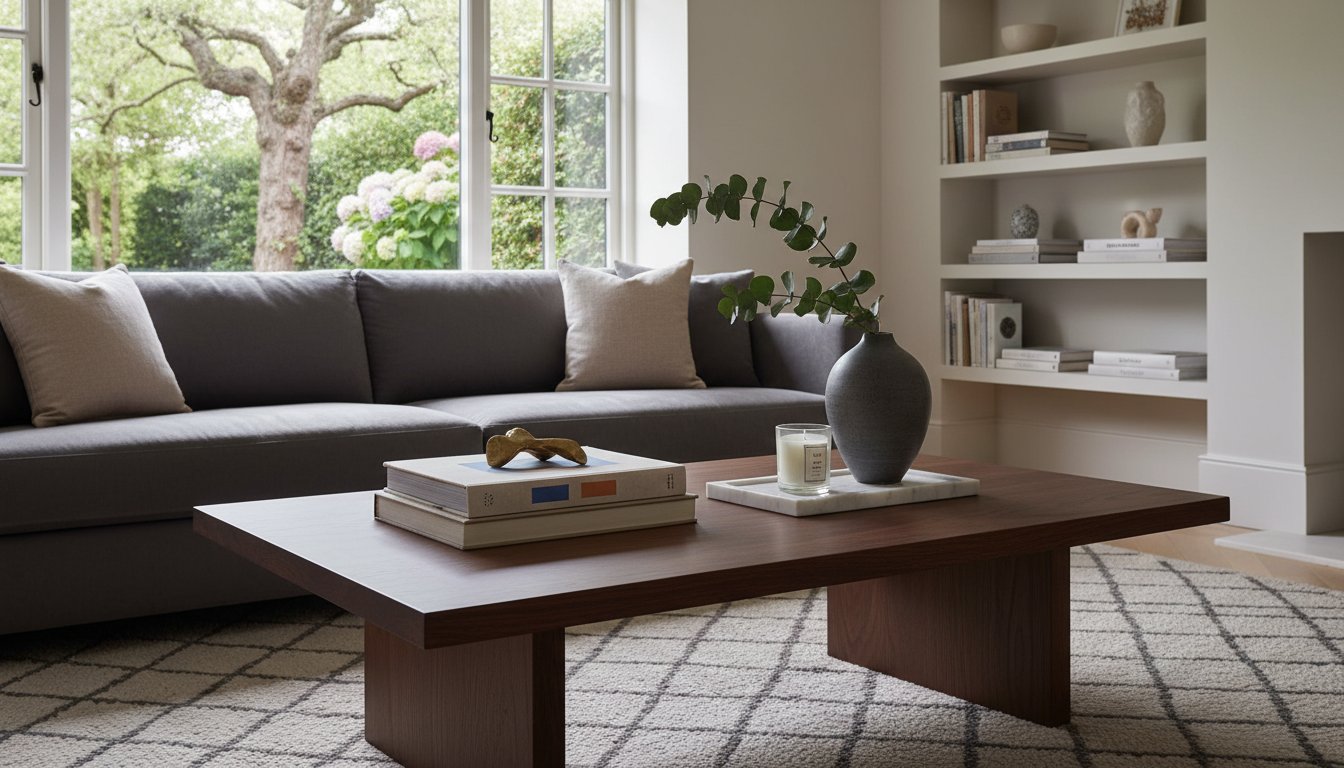
Scale is the secret to a professional finish. Your decor must respect the dimensions of your furniture. If an object is too small, it vanishes. If it's too large, the table feels crowded. Professional stylists often follow the two-thirds rule. This means your decor should occupy roughly 60 to 70 per cent of the surface area. This balance ensures the table looks curated rather than cluttered. Every successful arrangement begins with a hero piece. This might be a heavy marble tray or a bespoke sculptural bowl. This anchor provides the weight needed to ground the smaller items as you learn how to style a coffee table with precision.
Identifying Your Design Narrative
Your coffee table should complement your existing bespoke furniture. It's an extension of your home's unique soul. British elegance often involves a delicate dance between modern minimalism and traditional textures. You might pair a sleek, contemporary table with a vintage brass candle snuffer. Cohesion is achieved through a disciplined colour palette. Choose three primary tones that reflect your room's upholstery or artwork. By repeating these colours on your table, you create a seamless flow. This approach allows you to explore a thousand new possibilities while maintaining a sophisticated, unified aesthetic that feels both personal and professional.
Essential Elements for an Elegant Surface
Every masterpiece begins with a curated palette. When you consider how to style a coffee table, view the surface as a landscape for your personality. A sophisticated display relies on three core pillars: literature, life, and objects of curiosity. Mixing textures is the secret to professional depth. Combine the cool touch of Carrara marble with the organic warmth of English oak. Add a polished brass tray to catch the light, or use fluted glass to create subtle reflections. This thoughtful blend of functionality and style ensures your centrepiece remains both practical and breathtaking.
The Power of Layered Books and Magazines
Books are the literal foundation of exceptional styling. They provide the necessary structure and varying heights that a flat surface lacks. Start with two or three large-format art or travel books. Stack them from largest at the bottom to smallest on top. This creates a stable pedestal for smaller, delicate treasures like a vintage magnifying glass or a hand-carved stone bowl. Choose spines that echo your room's colour story to maintain a cohesive, calm atmosphere.
Bringing Life with Botanicals and Greenery
Nature introduces an organic softness that balances hard furniture lines. A single, sculptural branch in a tall glass vase creates instant drama and height. For a more intimate feel, choose a low ceramic bowl filled with moss or succulents. A 2023 industry report noted that 85% of high-end interior stylists prioritise seasonal blooms to keep a space feeling current. Whether it is spring peonies or winter eucalyptus, greenery makes your home feel vibrant and alive.
Fragrance and Ambient Light
Scent is the invisible layer of interior design. Position a luxury candle or a minimalist reed diffuser as part of your visual stack. Treat functional accessories, such as metallic candle snuffers or ceramic match strikers, as the "jewellery" of the table. Match your scent profile to the room's mood. Deep amber and cedarwood suit a formal lounge, while fresh linen notes are perfect for a sun-drenched morning room. It is time to be inspired by your own surroundings.
Your coffee table should be a reflection of your unique journey. Incorporate a "possibility" piece; perhaps a find from a coastal walk or a souvenir from a Parisian gallery. These curated details turn a house into a home. Explore bespoke design possibilities to discover how every corner of your living space can tell a story of elegance and creativity.
Mastering the Grid and Triangle Methods
Creating a curated look starts with a clean slate. Remove every object from your surface to reveal the true proportions of the piece. This blank canvas allows you to see the wood grain or stone texture without distraction. It's the first step toward realising the interior of your dreams.
Once cleared, you can apply a structured layout. Professional designers often divide the table into a visual grid or a series of triangles. This ensures your favourite objects don't just sit on the surface; they belong there. Learning how to style a coffee table is about finding the balance between curated treasures and functional space. You'll need to vary heights to create a landscape that captures the eye from every angle of the room.
The Grid Method for Rectangular and Square Tables
Large surfaces can feel intimidating. To make the process manageable, mentally divide your table into halves or four equal quadrants. This structure creates immediate order. Place a substantial tray, perhaps a 40cm mirrored or oak design, in one quadrant to anchor smaller items like remote controls or coasters. This prevents "floating" objects that look cluttered. Aim to leave at least 30% of the surface as negative space. This breathing room is essential for a premium, sophisticated feel that doesn't overwhelm the senses.
The Triangle Method for Round Tables
Round tables require a different approach to maintain their organic flow. Instead of a grid, imagine a triangle on the surface. Place your tallest item, such as a 30cm ceramic vase with fresh eucalyptus, at the "peak" of the triangle. Set two lower supporting points, like a scented candle and a small decorative bowl, at the other corners. Rotate the table as you work. This ensures the arrangement looks balanced whether you're sitting on the main sofa or an armchair nearby. Using curved objects, like round trays or spherical beads, will beautifully mimic the table's silhouette.
Creating Visual Height and Rhythm
A flat display feels dull. You must create a rhythm by mixing vertical and horizontal lines. Use the "High-Medium-Low" stack technique to build instant depth. Start with a stack of two or three large-format art books for your medium base. Place a low, organic shape like a marble dish on top. Finally, add a tall element like a slender taper candle or a sculptural branch to draw the eye upward. The Rule of Three is the foundation of visual harmony because odd-numbered groupings naturally feel more balanced and engaging to the human eye. This simple layering creates a professional landscape that feels both intentional and effortless.
- High: Vases, tall candles, or sculptural branches.
- Medium: Stacked books or medium-sized lidded pots.
- Low: Decorative bowls, coasters, or small trays.
By following these geometric principles, you'll discover how to style a coffee table that reflects your personal taste while maintaining a high-end aesthetic. It's your opportunity to explore new possibilities and turn a functional piece of furniture into a captivating focal point.
Balancing Functionality with Sophisticated Style
A common concern when learning how to style a coffee table is the fear of losing the surface to decor. You shouldn't have to choose between a beautiful aesthetic and a practical place to rest your tea. True sophistication lies in the balance. A well-styled table remains entirely functional, acting as a supportive backdrop for your daily rituals rather than a cluttered obstacle.
A 2023 survey of UK homeowners revealed that 68% prioritise multi-functional living spaces. This means your coffee table must transition from a morning workspace to an evening relaxation hub with ease. Achieving this requires a thoughtful approach to layout and item selection. It's about creating the interior of your dreams without sacrificing the comfort of your home.
The Strategic Use of Trays
Trays are the secret weapon of every professional stylist. They provide a physical boundary that corrals smaller, disparate items into one cohesive unit. When you need to clear the table for a large spread or a board game, a tray makes your decor mobile in seconds. It's a simple way to maintain order while adding a layer of texture.
- Material Contrast: Choose a tray that creates a visual break. If you have a dark oak table, a light cream leather tray adds a touch of luxury. For glass tables, a rustic wooden tray provides warmth.
- Hidden Storage: Use small, lidded boxes within your tray to hide unsightly remote controls or spare batteries.
- Organising Essentials: Keep your coasters stacked neatly inside the tray's edge. This ensures they're always within reach for guests but don't clutter the open surface.
Styling for British Entertaining
British entertaining often revolves around the tea service or a shared bottle of wine. To accommodate this, always leave a designated landing zone. At least 35% of your table surface should remain clear of any permanent decor. This intentional void allows your guests to feel comfortable putting down a glass without fear of knocking over a curated vignette.
Transitioning your table from day to night is a vital part of mastering how to style a coffee table. During the day, a stack of art books and a scented candle feel fresh and inviting. As evening approaches, you might add a decorative bowl. This can hold snacks for guests or act as a stylish resting place for your favourite book. It's about creating a space that evolves with your needs.
Maintaining this look doesn't require hours of effort. A simple 120-second nightly reset ensures your living room remains a sanctuary. Straighten your books, clear any stray mugs, and fluff the nearby cushions. This small habit preserves the sense of calm confidence that a bespoke interior provides.
Ready to transform your entire living space into a masterpiece of form and function? Explore our bespoke interior design services and let us help you realise your vision.
Elevating Your Space with Bespoke Integration
Mastering how to style a coffee table is often the first chapter in a much larger design story. It's not just about placing a few objects on a surface; it's about creating a visual dialogue with the rest of your home. Truly elegant styling reflects the wider custom interiors that define your living space. When you choose bespoke elements, you ensure that every small detail feels intentional and part of a grander vision. Your table becomes a focal point that anchors the room's aesthetic.
Cohesion Across the Room
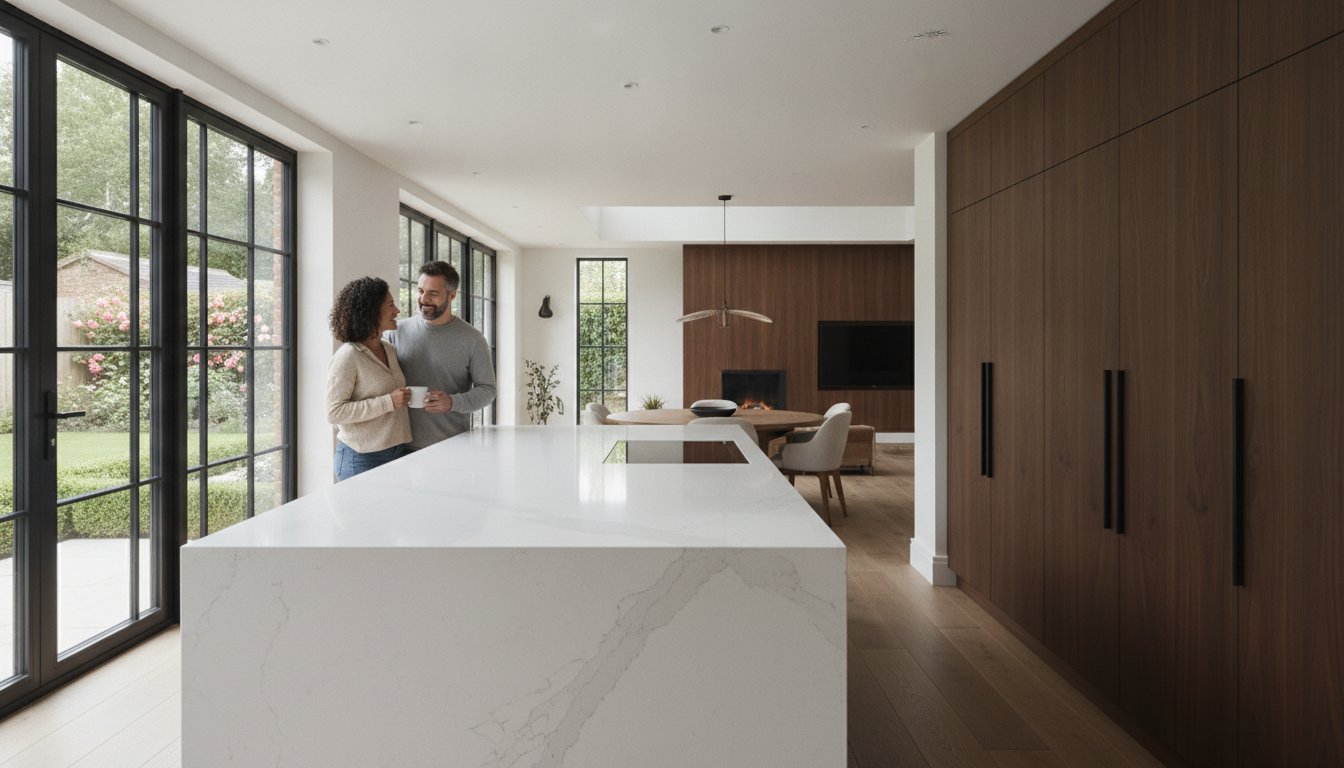
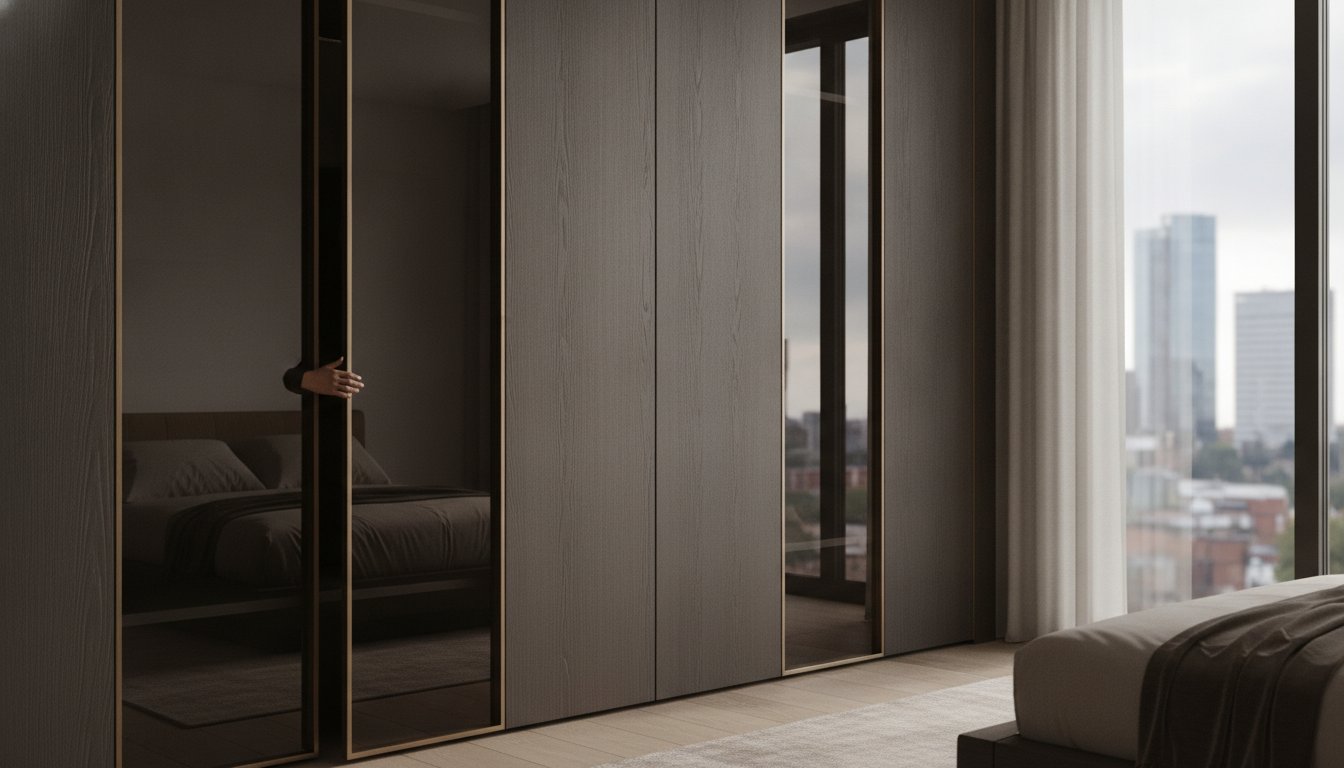
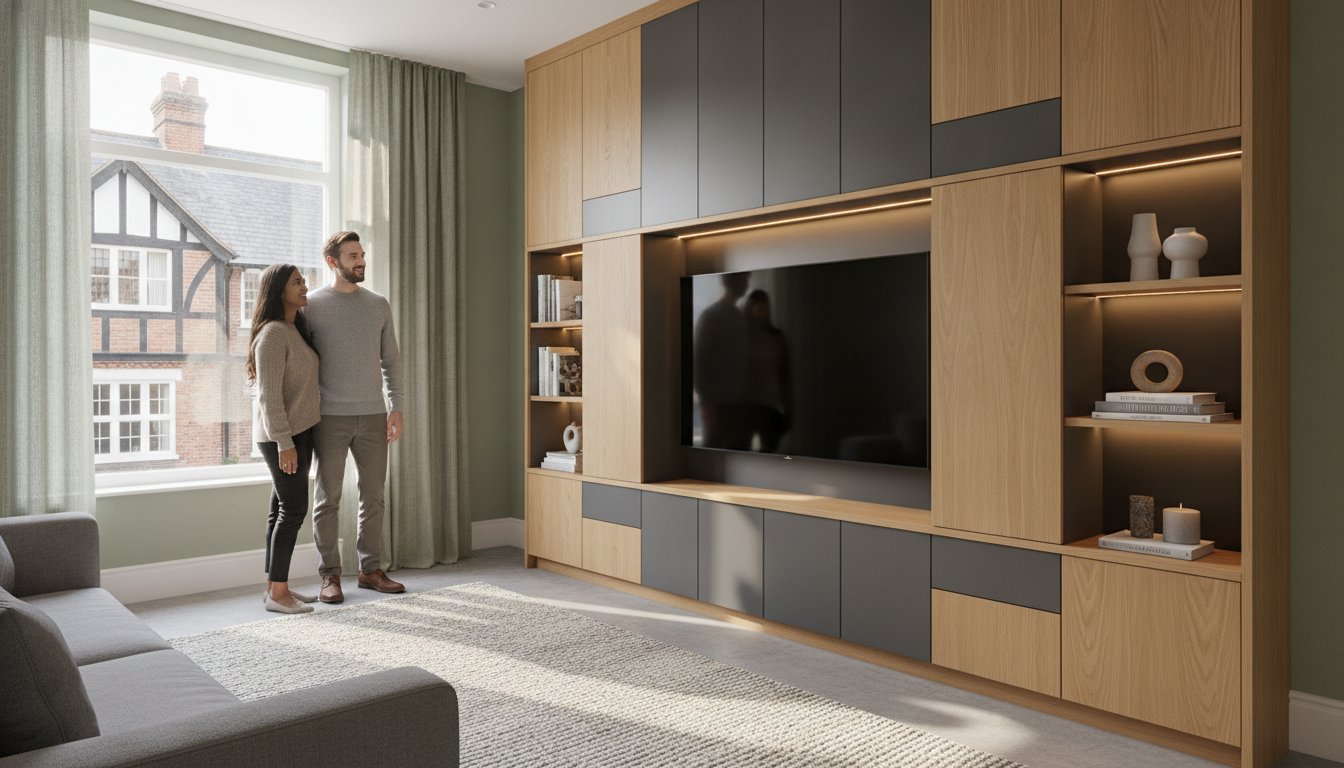
Your coffee table shouldn't feel like an island. It's most effective when it speaks directly to your sliding door wardrobes or bespoke media units. You can use the table as a curated preview of the materials found elsewhere in the room. If your cabinetry features a specific walnut grain or a brushed brass handle, bring those same textures to your table styling. A 2023 study by Houzz UK found that 45% of homeowners prioritised bespoke storage to create a unified aesthetic throughout their properties. This connection creates a sense of calm confidence that off-the-shelf furniture simply cannot replicate.
Custom built-ins provide the essential backdrop for your styled table. A perfectly proportioned alcove unit or a floor-to-ceiling library wall frames the room, allowing your coffee table arrangements to stand out. When the fixed architecture of the room is designed with your specific tastes in mind, learning how to style a coffee table becomes an effortless extension of that creativity. It's about finding harmony between the permanent and the decorative.
From Small Details to Grand Visions
Small styling wins often lead to the confidence required for larger renovations. Once you've perfected your layout, you begin to see the potential for change in every corner. This is where Custom Interiors helps bridge the gap between simple decor and sophisticated architecture. We believe that every home holds a thousand new possibilities. Our bespoke furniture isn't just a product; it's a way to realise the interior of your dreams through expert craftsmanship and personalised design.
It's time to be inspired by what your home could become. Whether you're starting with a single room or planning a complete overhaul, the journey begins with a single spark of creativity. Your home should be a reflection of your personality, built with quality that lasts for years. Explore our gallery for more inspiration and discover how we can help you take the next step in your home's journey. From the smallest tray to the largest wardrobe, every piece matters.
Bring Your Living Space Vision to Life
Mastering the art of the living room anchor starts with understanding balance and intentionality. By applying the grid or triangle methods, you've gained the essential tools for how to style a coffee table to create a sophisticated focal point. A 2024 report by the British Design Council highlights that a well-curated surface can increase the perceived aesthetic value of a living area by 40%. Your home should always reflect your unique personality through every carefully chosen detail and texture.
We believe your interior should be as unique as you are. At My Custom Interiors, we provide bespoke British craftsmanship and expert design guidance for every room; ensuring your home is perfectly tailored to your personal vision. With over 15 years of experience in high-end UK property design, we're here to help you realise the interior of your dreams. It's time to be inspired by a thousand new possibilities.
Discover your dream interior and get inspired today
Frequently Asked Questions
What are the best items to put on a coffee table?
The best items for a coffee table include a mix of heights and textures, such as a stack of two large art books, a scented candle, and a ceramic vase with fresh eucalyptus. Designers often recommend the "high, medium, low" approach to create visual interest. A 2023 survey by Houzz found that 45% of homeowners prioritise greenery in their living spaces. Use a decorative bowl for smaller items to maintain a tidy, curated aesthetic.
How do I style a coffee table without it looking cluttered?
You can avoid clutter by leaving at least 30% of the table surface empty for functional use. Grouping items on a single tray creates a defined zone, making several objects feel like one cohesive unit. It's a simple secret for how to style a coffee table while keeping the look intentional. Limit your display to three distinct groupings to ensure the eye has a place to rest and breathe.
What is the 'Rule of Three' in interior design?
The Rule of Three is a design principle suggesting that objects arranged in odd numbers are more appealing and memorable than even-numbered groupings. This technique creates a visual triangle that guides the viewer's eye across the display. In a 2022 study on visual perception, researchers noted that the human brain processes odd-numbered patterns 15% faster than even ones. It's a foundational tool for creating balance in your bespoke home.
How do I choose the right size coffee table for my living room?
Your coffee table should measure between one half and two thirds the length of your sofa. For optimal comfort, the height must sit within 5cm of your sofa cushions. Leave a 45cm gap between the table and the seating to allow for easy movement. These precise measurements ensure your furniture feels proportional and serves its purpose beautifully within your unique space. It's time to be inspired by the perfect proportions.
Should I use a tray on my coffee table?
Using a tray is highly recommended because it provides structure and acts as a frame for your decorative objects. Trays are particularly effective on upholstered ottomans or large wooden surfaces where items might otherwise feel lost. A 35cm rectangular tray can house a remote, a candle, and a small plant, instantly transforming a scattered collection into a curated vignette. It's a practical way to add a layer of sophisticated texture.
How can I style a round coffee table vs a rectangular one?
Style a round coffee table by creating a central triangular arrangement or placing a single tray in the middle to anchor the look. For rectangular tables, divide the surface into three sections or use a grid approach to distribute weight evenly. A rectangular table often requires 20% more decorative volume to feel balanced compared to a circular design. Learning how to style a coffee table based on its shape allows you to play with symmetry and flow.
How do I make my coffee table look expensive on a budget?
You can achieve a luxury look by investing in one high-quality statement piece, like a £40 designer coffee table book or a hand-blown glass vase. Avoid cheap plastic decor and instead opt for natural materials like marble, brass, or solid wood. A single branch of orchids or a cluster of three high-end candles can elevate the entire room. Quality always outperforms quantity when you're aiming for an elegant, bespoke finish that reflects your dreams.
What should I avoid when decorating a coffee table?
Avoid using items that are too tall, as anything over 30cm can block sightlines and hinder conversation between guests. Don't crowd the edges of the table; leave a 10cm margin around the perimeter to prevent accidents and maintain a sense of space. Steer clear of tiny trinkets that look messy or collect dust. Your coffee table should remain functional, with enough room for a cup of tea or a glass of wine.