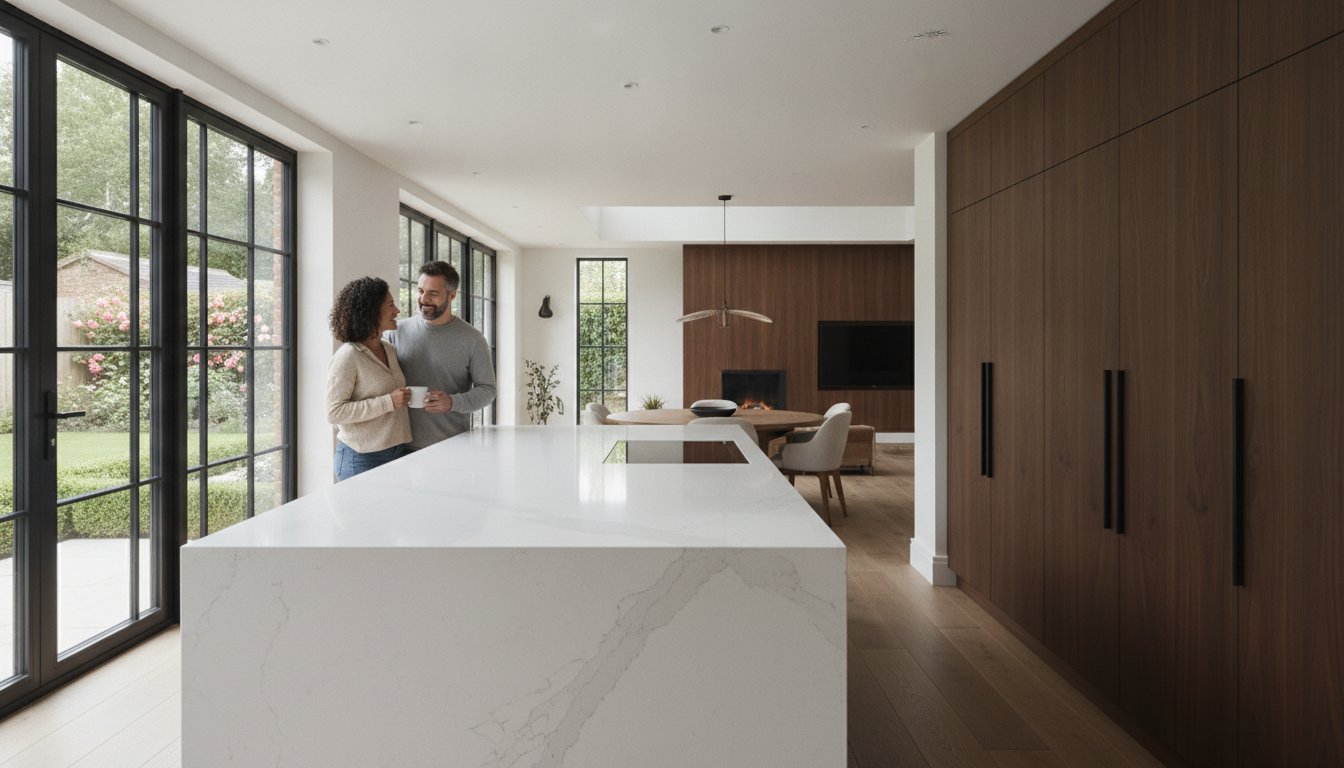
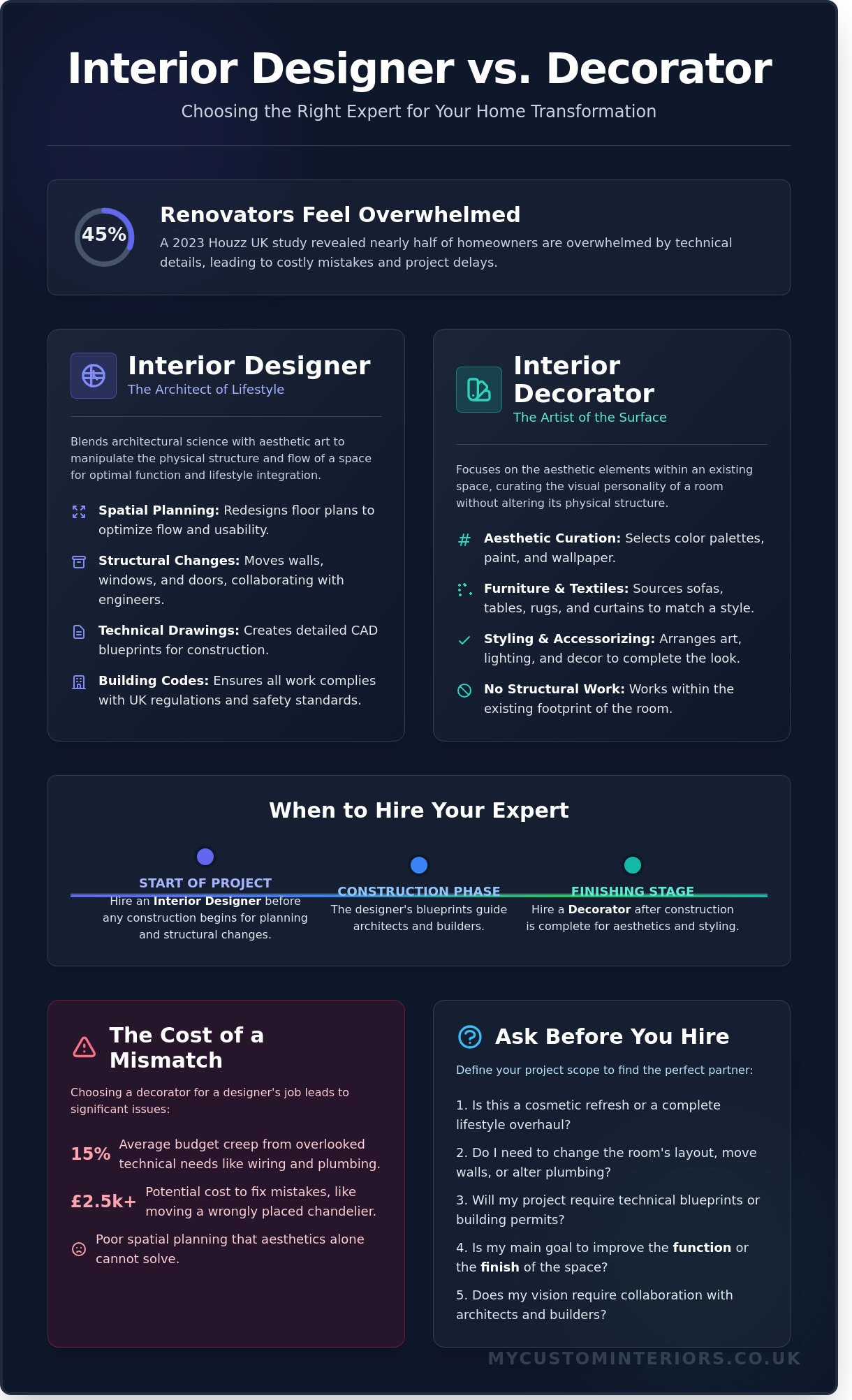
What if the most beautiful room in your home is actually a structural risk? It's a question that often stops homeowners in their tracks, especially when a 2023 Houzz UK study revealed that 45% of renovators feel overwhelmed by technical details. You deserve a space that's breathtaking, but you also need it to work perfectly for your daily life. It's time to be inspired by possibilities rather than limited by uncertainty. Your home should be a sanctuary of calm confidence and sophisticated creativity. We believe every corner should reflect your unique aspirations without compromise.
Choosing between an interior designer vs decorator is the vital first step toward realising your dream home. We understand the common anxiety of wanting a bespoke kitchen or a tailored wardrobe while feeling confused by varying UK fee structures. This guide provides total clarity on who handles the technical drawings and who brings the final artistic flair. You'll gain the confidence to choose the right partner, ensuring your creative journey is seamless and your home transformation is structurally perfect. Explore a thousand new possibilities for your living space today.
Key Takeaways
- Understand the fundamental distinctions in the interior designer vs decorator debate to ensure your project begins with the correct technical and creative expertise.
- Learn how an interior designer manages structural flow and spatial planning to optimise the functional potential of your home’s floor plan.
- Discover how a decorator curates the visual personality of a room through a sophisticated selection of colour, textiles, and bespoke furniture.
- Identify the critical timeline differences to determine exactly when to bring an expert onto your project for a seamless and stress-free transformation.
- Explore the five essential questions to ask when choosing the ideal design partner for a high-end, luxury home renovation in the UK.
Interior Designer vs Decorator: Defining Your Creative Vision
In the UK, homeowners often use these titles interchangeably. This common mix-up creates confusion when starting a home renovation. The fundamental difference lies in the depth of the work. An interior decorator focuses on the surface. They select the perfect paint shade or the right velvet for your curtains. An interior designer looks deeper. They consider the structural integrity and spatial flow of your home. For a detailed Interior design overview, one can see how the profession has evolved from simple ornamentation to a technical discipline involving building codes and accessibility. It's time to be inspired by the right professional for your unique project. Choosing between an interior designer vs decorator determines whether you are merely refreshing a room or unlocking a thousand new possibilities for your lifestyle.
The Problem with "Decoration-Only" Thinking
Beautiful wallpaper cannot fix a poorly planned room layout. If your sofa blocks the natural light or your dining table feels cramped, new colours won't solve the underlying issue. Many projects face a 15% budget creep because homeowners overlook technical details like lighting and electrical points early on. A mismatched hire leads to frustrating delays. You might find your new £2,500 chandelier is in the wrong place because the wiring wasn't moved during the initial "decoration" phase. This surface-level approach ignores how you actually live in the space. It treats the home as a backdrop rather than a functional environment designed for your comfort.
- Surface aesthetics cannot compensate for poor spatial planning.
- Overlooked electrical and plumbing requirements lead to expensive retrofitting.
- Budget mismanagement often occurs when structural needs are ignored.
Setting the Stage for a Bespoke Transformation
Defining your scope is the first step. Are you looking for a cosmetic refresh or a complete lifestyle overhaul? A true transformation requires a creative partner. This person does more than pick fabrics. They understand how you move through your home from the moment you wake up. Custom Interiors bridges the gap between design and build. We ensure your vision is technically sound and aesthetically breathtaking. It's about creating the interior of your dreams through precise planning and artistic flair. Your home deserves a bespoke approach that considers every millimetre of space. The interior designer vs decorator debate is really about the scale of your ambition. We help you realise a vision that is both beautiful and perfectly engineered for your life.
Your journey should be seamless. It should be an enjoyable process that results in a space that feels uniquely yours. By choosing a partner who understands both the art and the science of interiors, you protect your investment. You ensure that every pound spent adds genuine value to your property. It's time to explore what's possible when design meets craftsmanship.
The Architect of Lifestyle: What Defines an Interior Designer?
An interior designer is a professional who blends architectural science with aesthetic art. They act as the technical lead on a project, focusing on how a room behaves and serves the person living in it. Their role involves managing spatial planning, structural changes, and the functional flow of the entire building. Unlike a purely aesthetic approach, the interior designer vs decorator distinction lies in the designer's ability to manipulate the physical shell of a home. They use Computer-Aided Design (CAD) to produce technical drawings that ensure every millimetre of your space is utilised effectively. These technical blueprints guide the entire construction process, acting as a bridge between your vision and the tradespeople on site.
A designer’s focus extends far beyond the surface. They consider the psychology of a space, ensuring that the layout supports your daily rituals and lifestyle. This involves a deep collaboration with architects and structural engineers. They work together to ensure that any structural modifications, such as moving a load-bearing wall, maintain the building's structural integrity. This high level of technical involvement is one of the key differences between designers and decorators when undertaking a major renovation.
Spatial Planning and Flow
Designers apply the science of ergonomics to create a seamless living experience. They understand that the distance between your bespoke kitchen island and the cooker should ideally be 1,200mm to allow for safe, fluid movement. This technical precision transforms a house into a home that breathes. They often lead the way in removing walls and reconfiguring layouts for modern, open-plan living. This involves managing the "unseen" elements like plumbing, electrical wiring, and thermal comfort. It's time to be inspired by a home that works in perfect harmony with your needs. You can explore these bespoke possibilities to see how professional planning changes everything.
Formal Training and Professional Accreditations
In the United Kingdom, professional designers often hold university degrees in interior design or interior architecture. Many are registered members of the British Institute of Interior Design (BIID), which requires a commitment to rigorous professional standards. These certifications prove their mastery of UK building regulations and safety standards. They ensure your project meets Part M of the building codes for accessibility and Part L for fuel and power conservation. This expertise provides peace of mind that your dream interior is both beautiful and legally compliant. Their training allows them to manage complex projects from the initial concept through to the final installation with calm confidence.
The Art of the Surface: Understanding the Interior Decorator’s Role
An interior decorator is the curator of your home's soul. They don't move walls; they breathe life into them. Their focus remains fixed on the visual personality of a room, using a sophisticated blend of colour, fabric, and furniture to tell your story. If your structural layout is sound but the atmosphere feels hollow, a decorator provides the creative spark needed to transform the space. It's time to be inspired by the potential of your existing four walls.
The decorator’s toolkit is a tactile library of inspiration. It's filled with bespoke mood boards, Farrow & Ball paint swatches, and heavy linen samples from heritage British mills. They specialise in "dressing a room," a process that turns a functional area into a sensory experience. While an interior designer vs decorator debate often focuses on qualifications, the decorator’s true value lies in their ability to translate your abstract dreams into a physical reality. They create an atmosphere that reflects your personal style with precision and grace.
Choosing a decorator is ideal when your home needs a refresh rather than a rebuild. They focus on the mood, ensuring every element feels intentional and harmonious. As The Interior Design Institute explains the difference, decorators usually enter the project once the structural work is complete to add the final, essential layers of beauty. They open up a world of a thousand new possibilities through clever curation and an expert eye for detail.
Mastering Colour, Texture, and Light
Colour is more than a visual choice; it's an emotional trigger. Decorators use specific palettes to evoke calm or energy. A 2023 study by the University of Sussex found that certain soft blue hues can reduce heart rates, making them a staple for restful UK bedrooms. Decorators layer textures like velvet, wool, and silk to create a sense of luxury. They select soft furnishings that complement your home's existing structures, adding warmth without the need for a sledgehammer.
Curation and Accessorising
The final flourish is what makes a house feel lived-in. Decorators source unique furniture pieces and statement art from local artisans or antique markets in places like Cotswold or Brighton. They organise a room to highlight its best features, such as a Victorian fireplace or a contemporary bay window. This styling is essential for a finished look. In the context of an interior designer vs decorator, the decorator is the stylist who ensures your home feels like a curated sanctuary rather than a showroom.
- Sourcing: Finding bespoke pieces that aren't available on the high street.
- Styling: Arranging objects to create visual balance and interest.
- Lighting: Selecting lamps and shades that create a soft, inviting glow.
Structural Integrity vs Aesthetic Elegance: A Side-by-Side Comparison
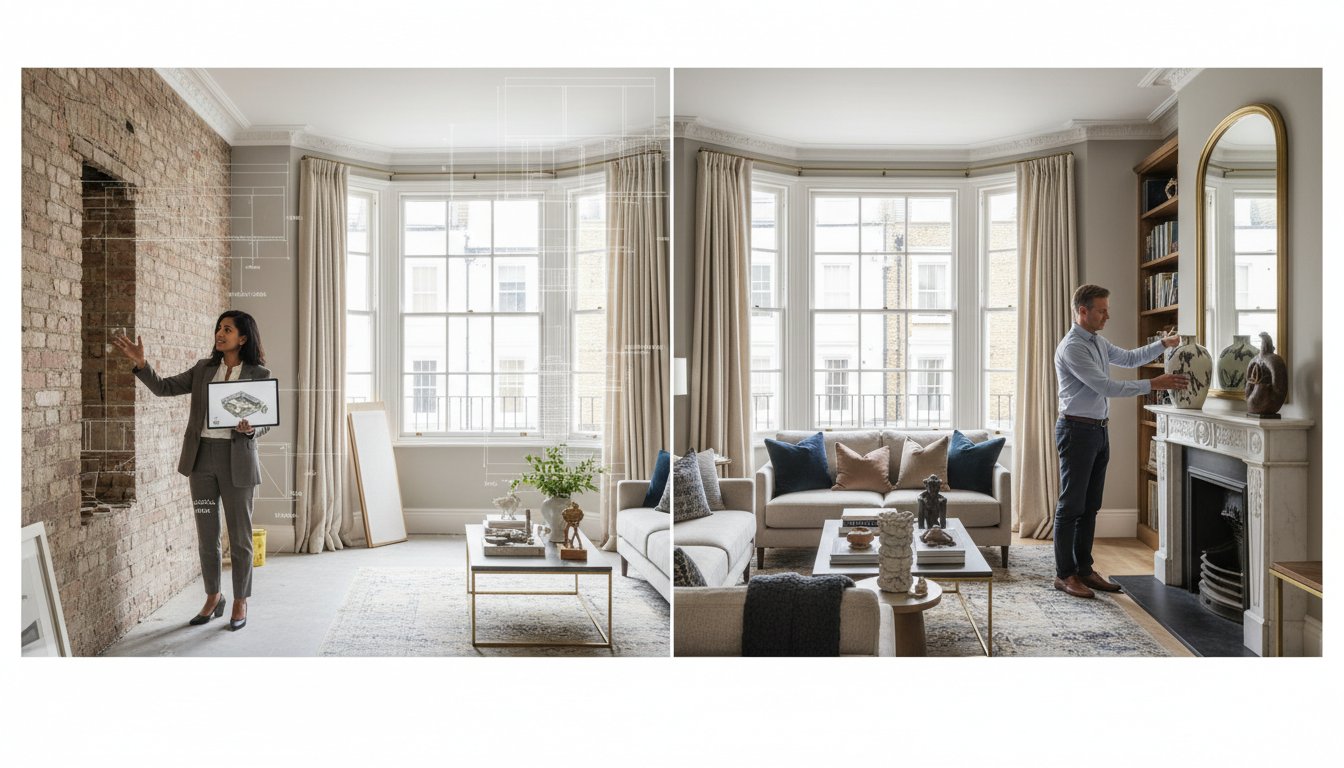
Understanding the interior designer vs decorator divide is essential for your project's success. A designer starts with the skeleton of the room. They consider the flow of light, the placement of load-bearing walls, and the technical requirements of your lifestyle. A decorator enters the scene once the stage is set. They layer your personality into the space through textures, palettes, and carefully curated accessories. It's the difference between building the perfect canvas and painting the masterpiece.
Timing is everything in luxury renovations. You should ideally engage a designer 6 months before any construction begins. This allows them to coordinate with architects and builders on structural elements like recessed lighting or underfloor heating. Decorators are typically brought in 3 to 4 months before completion. This ensures that soft furnishings and bespoke finishes are ordered and ready for the final reveal. Fees reflect these distinct roles. In the UK, designers often charge between £50 and £150 per hour for technical drawings. Decorators might work on a fixed project fee or a commission of 10% to 20% on sourced items.
A Comparison Table for Quick Reference
| Feature | Interior Designer | Interior Decorator |
|---|---|---|
| Education | Degree or BIID accreditation | Portfolio and style expertise |
| Structural Changes | Moves walls and plumbing | Focuses on surface aesthetics |
| Kitchen Layouts | Bespoke CAD technical plans | Sourcing appliances and stools |
| Sourcing | Made-to-measure cabinetry | Off-the-shelf luxury items |
The Bespoke Wardrobe Test
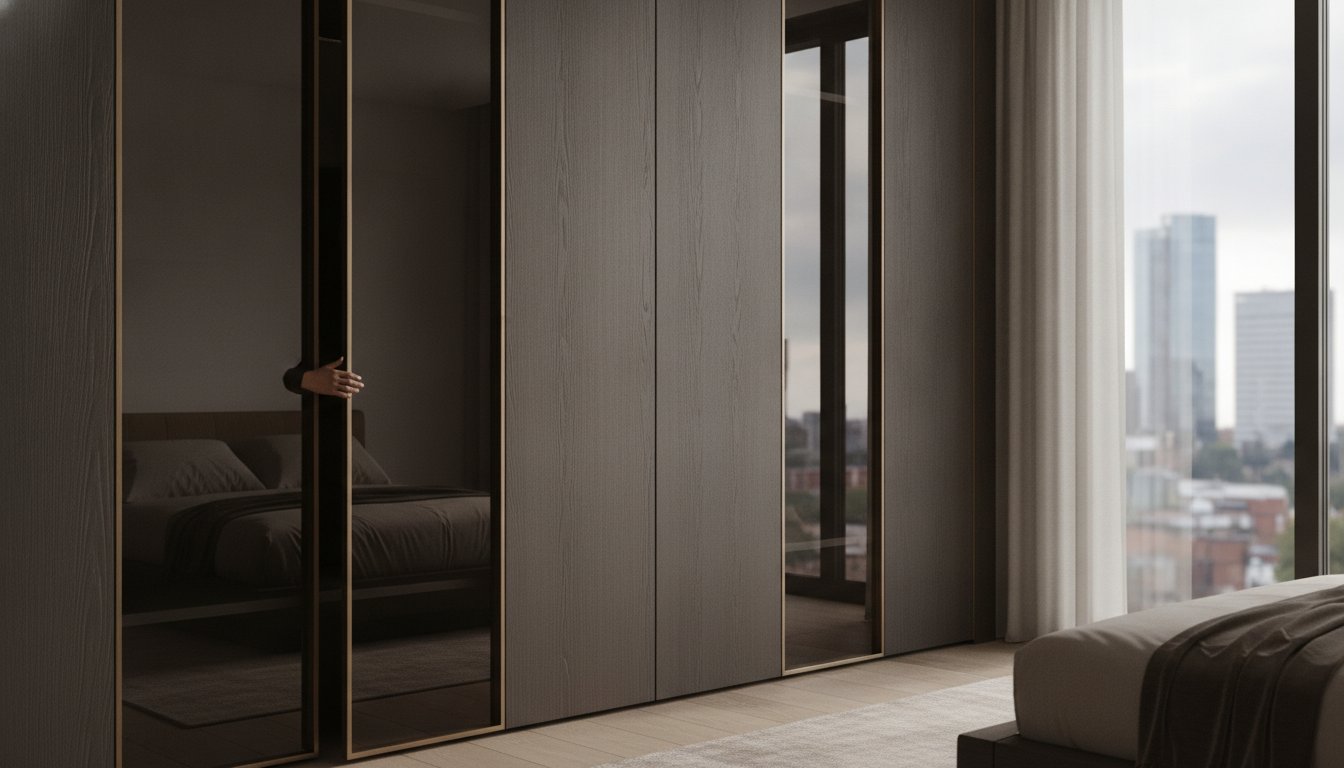
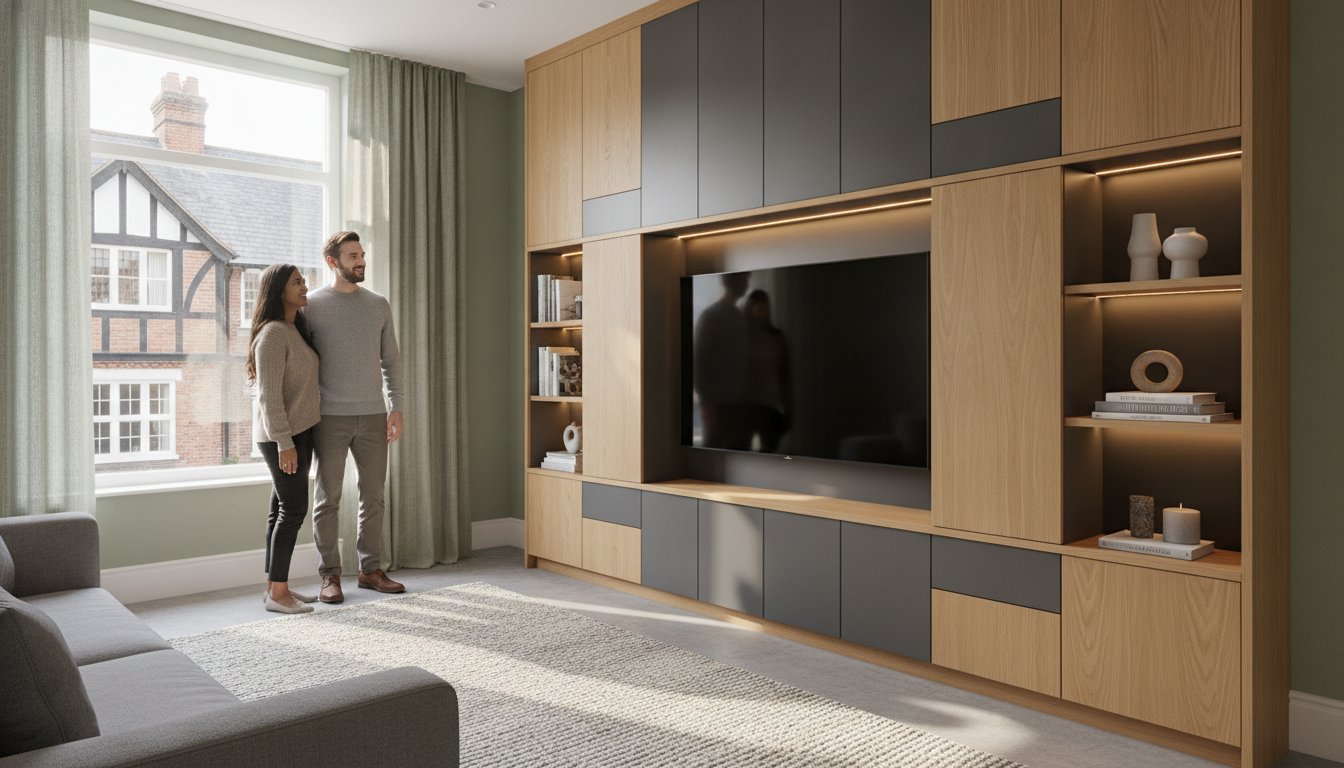
The interior designer vs decorator distinction becomes clear when you look at storage. A designer creates a floor-to-ceiling sliding wardrobe that integrates perfectly into an alcove. They use CAD software to ensure every millimetre is utilised for your specific collection of shoes and suits. This isn't just furniture; it's a structural solution that adds value. A decorator then selects the velvet hangers, the internal LED colour temperature, and the specific silk wallpaper for the drawer liners. It's a partnership of precision and poise.
Bespoke furniture is a wise investment for the modern homeowner. Data from UK property surveys in 2023 indicates that high-quality, custom storage solutions can increase a property's market value by up to 15%. Custom Interiors provides the design-led structural expertise needed to transform your storage from a simple cupboard into a focal point of the home. We believe it's time to be inspired by what your space can truly become. We help you realise the interior of your dreams by blending technical mastery with elegant finishes.
Ready to transform your home with precision-engineered beauty? Explore a thousand new possibilities with Custom Interiors
Choosing Your Partner for a Bespoke Home Transformation
Selecting the right professional depends entirely on the scope of your vision and the structural needs of your property. Understanding the interior designer vs decorator distinction helps you allocate your budget effectively. Before you commit to a partner, ask yourself these five questions. Are you changing the floor plan or moving walls? Do you require bespoke cabinetry and integrated storage? Is the project a full property renovation or a single-room refresh? Do you need technical lighting and electrical plans? Do you want a single point of contact to manage contractors?
Luxury projects in the UK, particularly those with a budget exceeding £50,000, often require a "Design and Build" approach. This method bridges the gap between creative concepts and physical construction. According to a 2023 UK renovation survey, 72% of luxury homeowners preferred a single-source design and build firm to reduce project delays and ensure the finished home matches the original renders. It's a way to ensure that the elegant finishes you see on paper are exactly what appear in your living space.
When to Hire an Interior Designer
If your project involves reconfiguring a master suite or a complex kitchen renovation, the interior designer vs decorator debate ends here. Designers possess the technical expertise to handle structural changes, integrated home technology, and custom-built storage solutions that feel like a natural part of the architecture. They don't just choose colours; they define how the space functions. For a bespoke kitchen, a designer is non-negotiable for functional success.
Starting Your Journey with Custom Interiors
My Custom Interiors believes your home should be a reflection of your personal story. We combine the visionary design of bespoke wardrobes with elegant finishes to create spaces that feel both luxurious and lived-in. Our philosophy focuses on the outcome and your unique vision. We help you move past the limitations of off-the-shelf furniture to explore a thousand new possibilities for your home.
Our team acts as a sophisticated creative partner, guiding you through every decision with calm confidence. We've helped hundreds of clients across the UK realise their dream interiors through a process that's as seamless as it is inspiring. It's time to see what's possible for your own property. It is time to be inspired: view our gallery of bespoke interiors and begin your creative journey with us today.
Elevate Your Living Space With Visionary Design
Deciding between an interior designer vs decorator defines the path of your home's evolution. Designers manage the structural integrity and spatial flow of a project; decorators master the art of the surface through palette and texture. Whether you're planning a full architectural renovation or a refined aesthetic update, the right partnership ensures every square inch of your property works in harmony. With over 10 years of design authority in the premium UK market, we focus on the bespoke details that transform a house into a sanctuary.
We're specialists in made-to-measure wardrobes and luxury bespoke kitchens, ensuring your most functional spaces are also your most beautiful. Our client-focused approach means we listen to your aspirations before we ever pick up a pencil. It's time to be inspired by a home that's uniquely yours. Explore our bespoke wardrobes and kitchens to start your journey today. Your dream interior is closer than you think.
Frequently Asked Questions
Do I need an interior designer or a decorator for a kitchen renovation?
You need an interior designer for a kitchen renovation because the project involves structural changes, plumbing, and electrical layouts. While the debate of interior designer vs decorator often focuses on style, a designer handles the 15 different technical elements required for a modern kitchen installation. It’s time to be inspired by a space that works perfectly. We ensure your dream layout meets all UK safety standards while looking effortlessly elegant.
Can an interior decorator help with structural changes like moving a wall?
An interior decorator cannot assist with structural changes like moving walls as they lack the technical training for load-bearing assessments. You must hire an interior designer or an architect to ensure your home remains safe and complies with UK Building Regulations 2010. These professionals manage the complex possibilities of your floor plan. They coordinate with structural engineers to transform the interior of your dreams into a safe, physical reality.
Is it more expensive to hire an interior designer than a decorator in the UK?
Hiring an interior designer is generally more expensive than a decorator because their scope of work includes technical drawings and project management. In the UK, a qualified designer might charge £80 to £150 per hour, while decorators often charge between £30 and £60. This investment reflects their ability to oversee complex renovations. You’re paying for a seamless process that brings a thousand new possibilities to life without the stress of managing contractors.
What qualifications should I look for when hiring a designer?
Look for a designer who is a member of the British Institute of Interior Design (BIID) or holds a relevant university degree. The BIID requires members to have six years of combined education and professional experience before they gain full accreditation. This ensures your project is in expert hands. Choosing a qualified professional is the first step toward creating the interior of your dreams with complete confidence and peace of mind.
Can one person be both an interior designer and an interior decorator?
Yes, a professional interior designer can perform all the duties of a decorator, offering a truly bespoke and comprehensive service. Most high-end design firms include soft furnishings and styling as part of their 360-degree approach to a project. This allows you to explore a thousand new possibilities under one creative vision. When you compare an interior designer vs decorator, remember that a designer provides the structural foundation and the final aesthetic flourishes.
How do I know if my project requires bespoke furniture or off-the-shelf pieces?
You require bespoke furniture if your room has non-standard dimensions or if you desire a unique finish that off-the-shelf items cannot provide. Custom pieces typically have an 8 to 12-week lead time but offer a perfect fit for your specific space. Off-the-shelf items are faster but lack the personal touch of a tailored design. It's time to be inspired by furniture that's handcrafted specifically for your home's unique character.
What is the typical process for a luxury interior design consultation?
A luxury interior design consultation usually begins with a 90-minute discovery session to explore your aesthetic preferences and lifestyle requirements. We discuss your vision and the endless possibilities for your home while walking through the physical space. This initial meeting sets the foundation for your project. It's a dedicated time to share the interior of your dreams so we can begin the journey of bringing it to life.
Do interior designers charge a flat fee or a percentage of the project?
Interior designers in the UK typically charge either a flat project fee or a percentage of the total spend, which usually ranges from 10% to 20%. Some firms use a hybrid model that includes an initial design fee followed by a management percentage. We believe in transparency to make your experience seamless and enjoyable. Clear pricing allows you to focus on the creative journey and the beautiful results we'll achieve together.