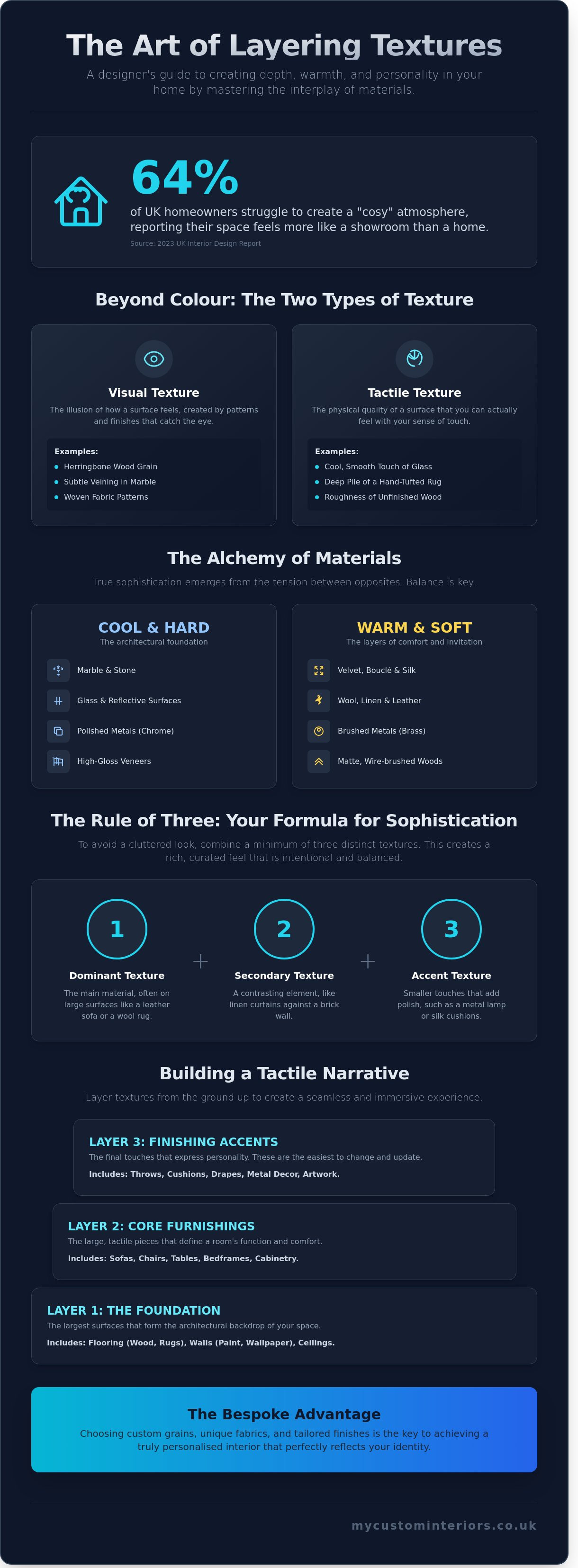
Why does a room filled with bespoke furniture and hand-picked finishes often still feel like a cold, empty showroom? You've likely spent hours selecting a velvet sofa or a solid oak dining table, yet the space lacks that elusive soul. It's a common frustration. A 2023 interior design report indicated that 64% of UK homeowners struggle to create a "cosy" atmosphere despite high-end purchases. Mastering the art of layering textures in interior design is the vital bridge between a house that looks expensive and a home that feels alive.
It's time to be inspired by the possibilities of your own four walls. You deserve a home that feels warm, inviting, and uniquely personal. Discover how to orchestrate a tactile narrative by mastering the sophisticated art of layering diverse materials and bespoke finishes. This guide explores the secrets to mixing wood grains, metals, and textiles with absolute confidence. We'll reveal how these bespoke elements contribute to a room's depth, turning a simple layout into a curated masterpiece.
Key Takeaways
- Understand how visual and tactile 'weight' creates the polished, finished look found in the finest British homes.
- Master the balance of materials by pairing cool finishes like marble and glass with the inviting warmth of velvet and leather.
- Use the 'Rule of Three' to perfect layering textures in interior design, ensuring your space feels sophisticated rather than cluttered.
- Learn a professional room-by-room strategy that builds depth from the floors and walls inwards to create a seamless narrative.
- Discover the bespoke advantage and why choosing custom grains and fabrics is the key to achieving a truly personalised interior.
What is Layering in Interior Design and Why is it Essential?
Texture is the visual and tactile weight of every material within your home. It's the secret to that elusive, 'finished' look found in the most prestigious British residences. When you master layering textures in interior design, you move beyond simple decoration. You begin to curate an experience. It's about how a space feels as much as how it looks. It's time to be inspired by the potential of your own four walls.
Successful design relies on a balance between visual and tactile textures. Visual texture involves patterns and finishes that catch the eye, like a herringbone weave or a subtle stone grain. Tactile texture is the physical reality. It's the cool touch of polished marble or the deep pile of a hand-tufted rug. By combining these elements, you build a tactile narrative. This story reflects your unique identity and your dreams for a bespoke home.
Understanding fundamental Interior design principles allows you to see texture as a tool for depth. Every surface is an opportunity to express a thousand new possibilities. Layering ensures that a room feels intentional rather than accidental. It provides a sense of sophisticated creativity that defines premium living.
The Psychology of Touch in Your Home
Every material carries a specific emotional signature. Silk evokes a sense of refined elegance; heavy wool provides immediate security and warmth. You can use these responses to define the energy of a room. A kitchen might benefit from sleek, smooth surfaces that feel vibrant and clean. A bedroom requires softer, more inviting layers to encourage serenity. Incorporating patina through aged brass or weathered wood adds a sense of history. These materials suggest a permanence that grounds a modern home.
Moving Beyond Colour: Why Texture is the New Neutral
A monochromatic palette is a bold choice, but it risks looking flat without variety. Texture provides the perfect solution for a calm, sophisticated space. Texture-first design is a method for creating depth without visual noise. This approach allows a neutral room to feel rich and complex through shadow and touch alone. Natural light plays a vital role in this process. It grazes across woven fabrics and polished stones to reveal subtle nuances. This interplay ensures your home feels alive and evolving at every hour of the day.
The Alchemy of Materials: Mixing Hard and Soft Textures
True sophistication emerges from the tension between opposites. Design is a tactile journey where the cold, unyielding surface of a polished metal meets the inviting warmth of a hand-woven throw. This fundamental rule of contrast ensures that a room feels curated rather than staged. When you master the art of layering textures in interior design, you transform a flat space into a multidimensional sanctuary. It's time to be inspired by the interplay of raw and refined elements.
Balance is achieved by pairing 'cold' materials with their 'warm' counterparts. A 2024 Houzz UK Trends Report highlighted that 34% of homeowners now opt for natural stone splashbacks to ground their minimalist kitchens. This organic stone provides a necessary visual weight against sleek, handleless cabinetry. Similarly, the 'liquid' texture of reflective surfaces, such as a smoked glass coffee table or a polished chrome lamp base, adds a layer of movement. These surfaces bounce light around the room, preventing a space from feeling static or heavy.
Soft Furnishings: The Layers of Comfort
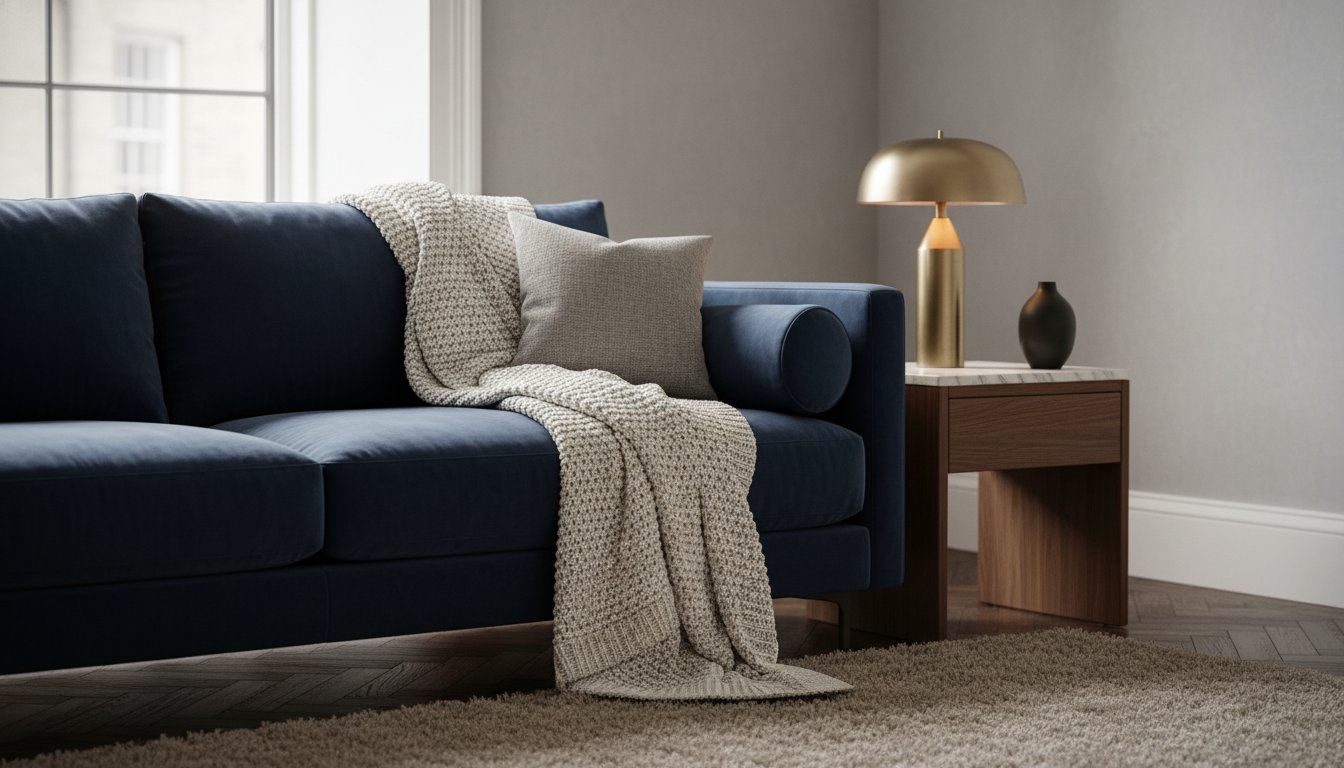
Textiles follow a strict hierarchy. Your foundation often begins with a large-scale wool rug, providing a grounded, matte base. Layering follows with a bouclé sofa, accented by silk and linen cushions. Mixing these fabric weights is essential in a master suite. The crispness of 600-thread-count cotton sheets paired with a heavy velvet bedspread creates a sensory experience that feels both indulgent and structured. Window treatments act as the final textural frame; combining sheer voiles with heavy drapes adds depth to the light entering your interior of your dreams.
Hard Surfaces: The Architectural Foundation
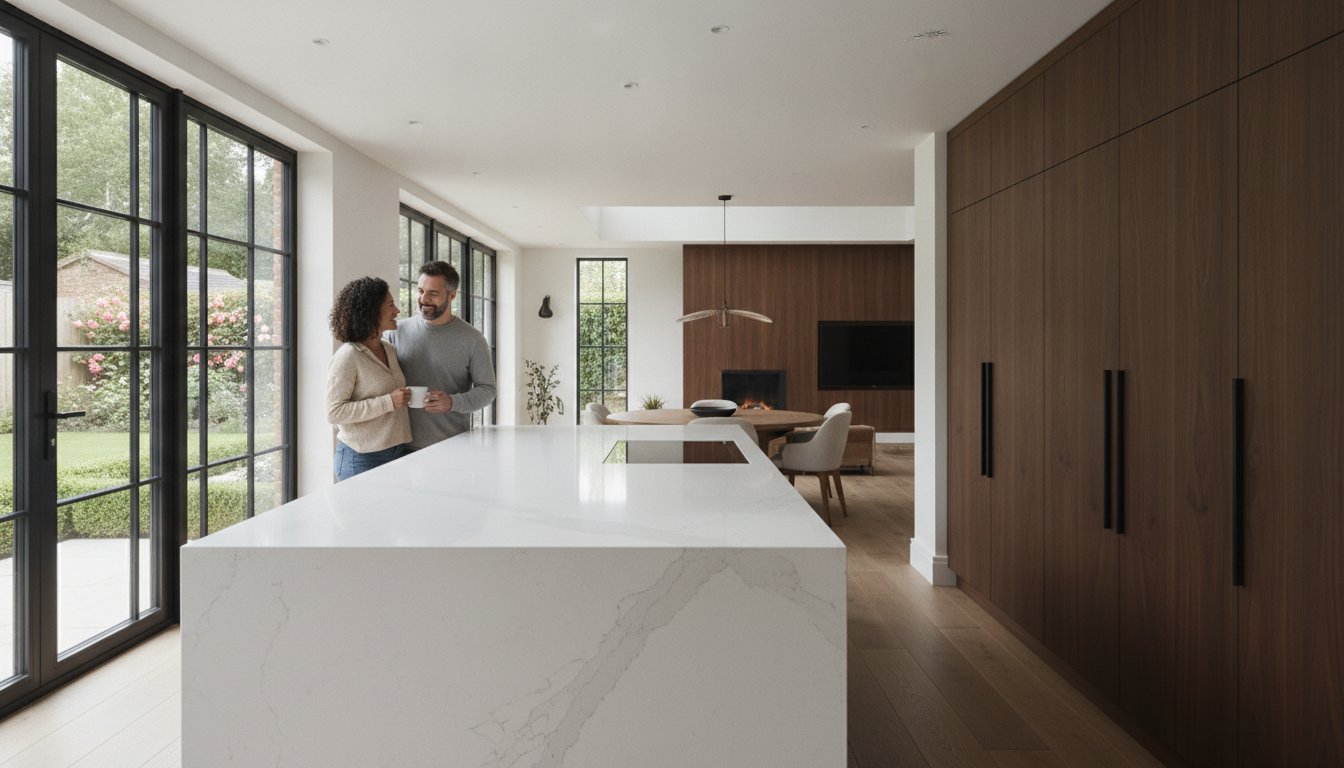
Hard materials provide the structural soul of a home. In bespoke UK kitchens, the visual coolness of quartz or marble offers a clean, architectural edge. The tactile appeal of wood varies significantly based on its finish. A matte, wire-brushed oak floor feels rustic and grounded, while high-gloss veneers suggest a more formal, opulent atmosphere. Metal accents provide the finishing touch. Brushed brass offers a soft, vintage glow that complements timber, whereas polished chrome provides a sharp, contemporary bite. According to data from the Interior Design Association, over 65% of high-end residential projects in London now feature mixed metal finishes to avoid a monolithic, showroom look.
Integrating organic textures like reclaimed wood or rough-hewn stone into a modern setting prevents the space from feeling clinical. These elements introduce a sense of history and permanence. By thoughtfully applying the principles of layering textures in interior design, you create a home that resonates on a deeper, more emotional level. Every surface becomes an invitation to touch, explore, and relax.
Avoiding the Clutter Trap: How to Layer with Restraint
Many homeowners hesitate to embrace layering textures in interior design because they fear a chaotic result. The concern is valid. Without a plan, multiple textures can quickly transform a sophisticated room into a messy one. A 2023 industry report suggests that 65% of UK homeowners feel their living rooms are too cluttered. The solution isn't to avoid texture, but to apply it with calm confidence.
The 'Rule of Three' is your primary tool for maintaining order. Every textural vignette should feature a smooth surface, a rough surface, and a medium texture. Imagine a polished marble coffee table paired with a coarse jute rug and soft linen cushions. This trio creates a complete sensory experience without overwhelming the eye. It's about balance, not abundance.
Negative space serves as the most important layer in your home. In a minimalist or premium interior, leaving 30% to 40% of a room visually "quiet" allows your chosen materials to shine. This breathing room prevents sensory fatigue. To keep the space organised, always arrange your textures around a single focal point. Whether it's a bespoke fireplace or a velvet statement sofa, every other layer should support that central star rather than competing for the spotlight.
The Importance of Scale and Proportion
Scale can be deceptive. Large, oversized textures often make a compact room feel more expansive. A chunky knit rug with a 50mm pile height grounds a small 12-square-metre lounge, making it feel intentional and snug rather than cramped. Balance these heavy elements with broad, flat planes like polished timber or smooth plaster walls. Avoid placing too many intricate patterns in one area. If your curtains feature a complex weave, keep your upholstery simple. One bold texture is enough to lead the room.
Curating a Lived-In vs. Cluttered Feel
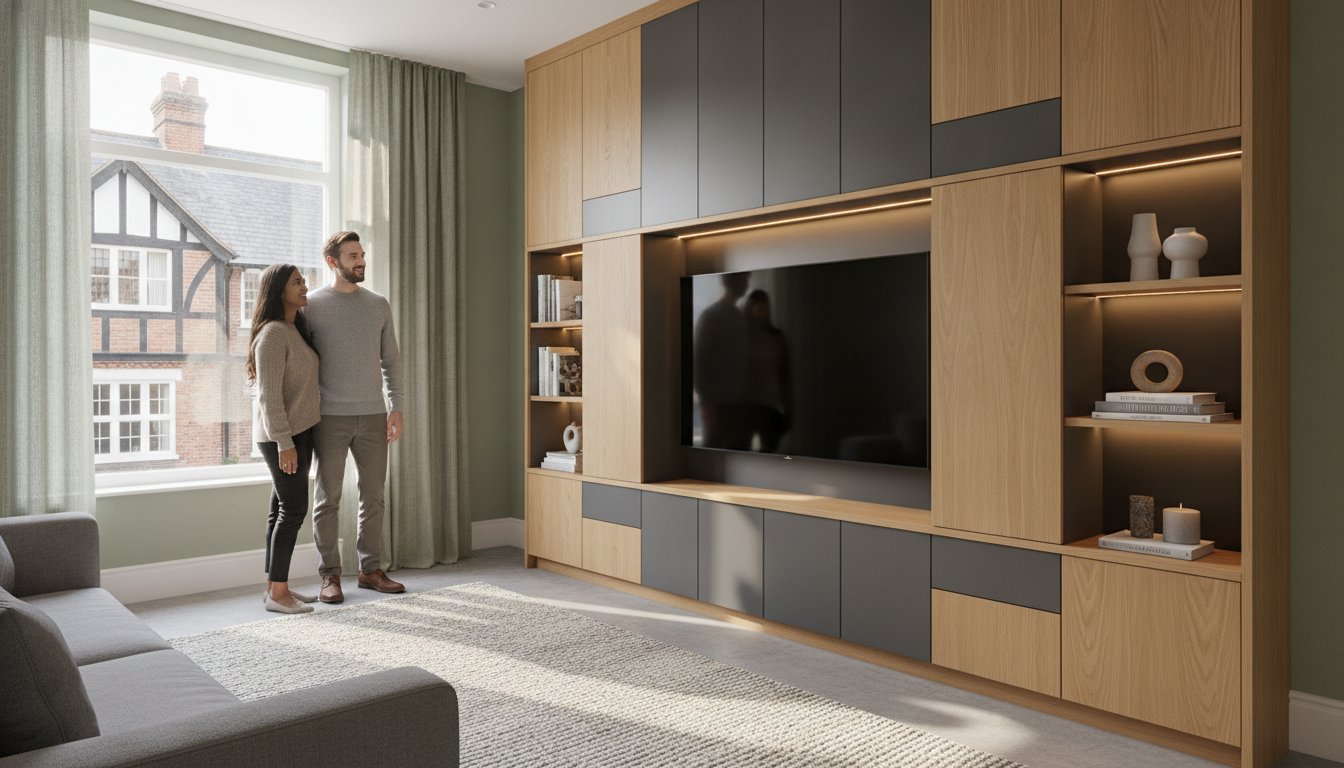
The secret to a dream interior is the art of editing. It's time to be inspired by the idea that less is often more. If a space feels heavy, remove one layer and observe the change. Bespoke storage solutions are essential here. They allow you to hide daily visual noise while showcasing the tactile beauty of your curated pieces. You can refresh your home's feel by swapping layers seasonally. Trade a heavy 400gsm wool throw for a light breathable cotton weave when the British summer arrives. Your core furniture remains, but the possibilities for your space feel entirely new.
Creating a Tactile Narrative: A Room-by-Room Strategy
Think of your home as a story where every surface contributes to the plot. Successful layering textures in interior design begins with the largest canvases: your floors and walls. A room feels grounded when you start with a wide-plank oak floor or a subtle plaster wall finish. These elements act as the foundation for everything that follows, moving from the outer shell toward the intimate centre of the room.
Focus on your touchpoints. These are the surfaces you interact with most frequently, such as door handles, seating, and worktops. By prioritising the quality of these materials, you ensure that the design feels as good as it looks. High-quality materials like solid brass or natural stone offer a sensory reward that synthetic alternatives cannot match. It's about creating a home that responds to your touch with warmth and character.
The Living Room: A Symphony of Comfort and Style
The living room is where your textural story truly unfolds. Start by layering the sofa; combine a structured, tailored frame with soft, irregular cushions in wool or velvet. This interplay between the rigid and the relaxed creates immediate visual depth. For your coffee table, curate a vignette that mixes smooth ceramics, reflective glass, and the tactile grain of leather-bound books. You can set a definitive textural tone by integrating bespoke furniture design as a unique textural anchor. A custom piece ensures your home reflects your specific taste through unique wood grains or hand-finished metals.
The Master Suite: Designing for Serenity
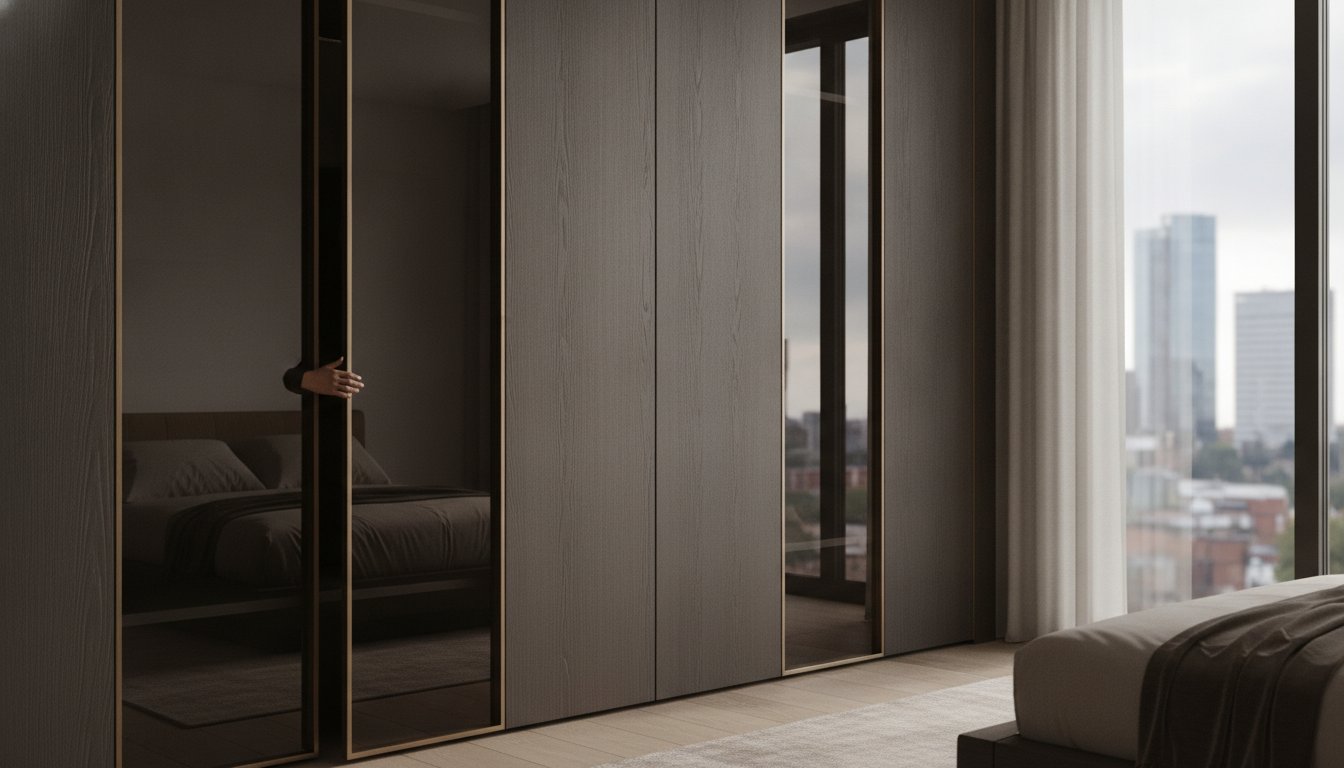
In the bedroom, the goal is to create a sanctuary. Mastering the art of layering textures in interior design here requires a balance of softness and structure. Aim for a premium hotel feel by layering bedding that ranges from crisp, cool cotton to the heavy weight of a quilted silk throw. Use custom headboards or upholstered wall panels to provide acoustic insulation and tactile warmth. To complete the look, incorporate made-to-measure wardrobes with textured glass or rich wood-grain doors. These large-scale elements provide a consistent rhythm that promotes relaxation and order.
The Kitchen: Balancing Utility with Elegance
Kitchens can often feel clinical due to the abundance of hard surfaces. Break this atmosphere by mixing cabinetry finishes; combine matte painted wood with natural timber accents. The cool touch of a stone worktop gains character when set against a handmade tiled splashback and aged metal hardware. Soften the environment with these elements:
- Upholstered bar stools in durable, textured fabrics like bouclé or leather.
- Woven jute or sisal runners to add organic warmth to the floor.
- Open shelving displaying a mix of wooden boards and stoneware.
The Bespoke Advantage: Elevating Texture Through Custom Design
Mass-produced furniture often feels one-dimensional. It lacks the nuanced grain or the tactile weight that defines a high-end space. When you choose bespoke, you aren't just buying a functional item; you're selecting a specific narrative for your home. This might mean pairing the rugged touch of sandblasted oak with the cool, smooth surface of a polished stone inlay. Successful layering textures in interior design relies on these deliberate contrasts that off-the-shelf items simply cannot replicate.
Custom cabinetry serves as the architectural layer of a room. It isn't just storage. It's a structural element that defines character and scale. Modern bespoke design also weaves technology into these textures. Imagine a hand-stitched leather desk surface with wireless charging points hidden beneath the hide, or wardrobe sensors that trigger soft lighting against silk-wrapped panels. These details ensure that your home feels both sophisticated and intuitive.
Sliding Door Wardrobes: A Study in Material Contrast
Large-scale joinery acts as a vast canvas for textural exploration. A custom sliding door wardrobe allows you to combine mirrored glass, textured laminates, and sleek metal frames in a single, cohesive piece. This creates a visual rhythm that draws the eye across the room. Inside, the luxury continues with hidden layers. You might find velvet-lined drawers for jewellery or aromatic cedar shelving for knitwear. These elements ensure the experience of using the room is as rich as the aesthetic itself. Custom joinery provides the balance needed to ground a room's design.
Your Journey to a Bespoke Interior
The luxury interior design process prioritises material selection from the very first day. It's about exploring a thousand new possibilities for your space. You'll collaborate with designers who understand how light hits a specific finish or how a fabric drape affects the room's mood. It's time to be inspired. Taking the first step from a simple spark of inspiration to a beautifully layered reality is a seamless experience. Your dream interior is waiting to be realised through expert craftsmanship and thoughtful layering textures in interior design.
Bring Your Vision of Sophisticated Depth to Life
Your home should be a reflection of your personal journey. By balancing the cool touch of natural stone with the warmth of hand-woven fabrics, you create a sophisticated depth that resonates. Research from the UK Design Council highlights that well-designed environments can significantly improve personal well-being; a tactile home is central to that experience. Successful layering textures in interior design requires a delicate balance between bold expression and thoughtful restraint. It's about choosing materials that tell a story, from the natural grain of a bespoke oak wardrobe to the sleek, durable finish of a custom kitchen island.
At Custom Interiors, we specialise in bringing these visions to life for premium UK homes. Our team provides expert design guidance to ensure every element is tailored to your unique requirements. Whether you're redesigning a single room or an entire residence, bespoke craftsmanship makes the difference between a house and a sanctuary. We focus on the outcome and your specific vision, turning a thousand new possibilities into a reality.
It's time to be inspired. Explore our portfolio of bespoke creations today. Let's build the interior of your dreams together.
Frequently Asked Questions
What is the best way to start layering textures in a neutral room?
Start with a foundation of three distinct materials like wool, timber, and stone to create immediate depth. Neutral rooms rely on tactile variety to feel warm. A 2023 design survey found that 40% of homeowners prefer neutral palettes, making texture essential for visual interest. Combine a chunky knit throw with a smooth marble surface and a reclaimed oak table. This creates a sophisticated, multi-dimensional feel without needing bold colours.
Can you mix different types of wood in the same room?
You can successfully mix up to three different wood tones by identifying the underlying undertones. Ensure your wood choices share either a warm or cool base to maintain harmony. For example, pair a dark walnut floor with lighter ash cabinetry and a mid-tone oak coffee table. According to British furniture standards, varying the grain patterns adds organic richness. It's a hallmark of bespoke design that makes your home feel curated.
How do I choose between matte and gloss finishes for my bespoke kitchen?
Choose matte finishes for a soft, contemporary feel and gloss for areas where you want to reflect light and create a sense of space. Matte surfaces hide fingerprints better, which is ideal for high-use cabinets. Gloss finishes can increase perceived brightness by up to 30% in smaller UK kitchens. Many clients choose a 70/30 split, using matte for the main cabinetry and gloss for a feature island or splashback.
Is it possible to have too much texture in interior design?
Yes, an interior becomes visually chaotic if every surface competes for attention without a smooth resting point for the eyes. Aim for a balance where roughly 20% of the room features smooth, quiet surfaces like glass or polished metal. Layering textures in interior design requires a focal point, such as a velvet sofa, surrounded by simpler fabrics. Without these pauses, the room feels cluttered. A well-designed space allows each tactile element to breathe.
How does lighting affect the way textures look in a space?
Side-lighting or grazing highlights the depth of a texture, while direct overhead light can flatten it. Position wall sconces at a 45-degree angle to a textured wallpaper to create dramatic shadows. In the UK, where natural light varies significantly between seasons, using dimmable LEDs with a Colour Rendering Index of 90 or higher ensures your materials look authentic. Proper lighting transforms a flat wall into a tactile masterpiece that invites touch.
What are the most durable textures for a high-traffic family home?
Opt for high-performance fabrics like Martindale-rated bouclé, leather, and tight-weave wool for maximum longevity. A Martindale rub count of 30,000 or higher is the British industry standard for heavy domestic use. Leather develops a beautiful patina over a 10-year period, while synthetic blends can withstand the rigours of pets and children. These materials ensure your dream interior remains pristine and elegant through many years of daily life.
How can I layer textures in a small apartment without it feeling cramped?
Use vertical textures and translucent materials to create depth without occupying physical floor space. Ribbed glass partitions or slatted timber wall panels add interest while maintaining an airy feel. In a typical 50-square-metre London flat, layering textures in interior design works best through wall treatments and window dressings. Choose lightweight linens and sheer silks. These elements provide the richness of a larger home while keeping the sightlines clear and open.
What are some 'timeless' textures that won't go out of style?
Natural materials like Carrara marble, solid oak, and pure linen are timeless choices that have remained popular for centuries. These elements appear in 85% of high-end UK heritage renovations because they age gracefully. Unlike synthetic trends, natural stone and timber gain character over decades. Investing in these authentic textures ensures your home feels sophisticated today and remains relevant for the next generation of your family.